Image
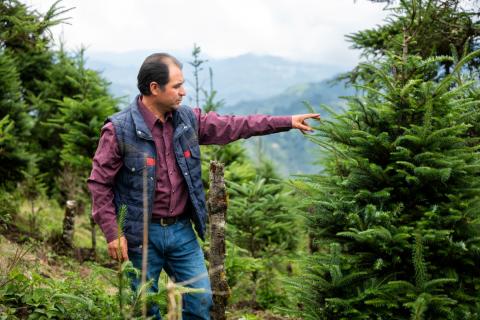



Guatemala's forests are disappearing at a worrying rate. According to the World Resources Institute, the country lost 2.7% of its primary forests in 2024, mainly due to drought, fires and illegal logging related to agriculture and livestock farming. Yet, at the heart of these fragile territories, rural communities – especially smallholder foresters – hold part of the solution: they can help preserve the environment and biodiversity while developing sustainable economic activities.
In partnership with the local organizations Tikonel and ASOCUCH, ADA supports both smallholder foresters as well as micro and small wood processing companies in four ways:
For example, ADA strengthens the management skills of micro and small wood processing companies to improve their competitiveness and market access.
“Our sawmill is a family-owned business. We thought we were doing a good job of keeping records, but Tikonel and ADA helped us improve our archiving and control system so that we could get the most out of our accounts.”
says Brenda Patricia Ajuchan Sis, owner of Ajuchan.
Another emblematic example is support for Abies guatemalensis (pinabete) growers, a fir species endemic to Guatemala. Thanks to the programme, they learn how to manage their plantations sustainably and sell fir trees and Christmas decorations from legal and sustainable sources.
This approach reduces the pressure on natural forests while providing income for rural families.
"Thanks to the income generated by the sale of pinabete trees, I was able to pay for my children's education and prepare them for the future."
explains Arcadio Figueroa López, a pinabete grower.
Since 2024, the programme in Guatemala has already made it possible to:
By structuring sustainable local value chains, the programme aims to demonstrate that it is possible to manage forests sustainably while strengthening the communities that depend on them.